

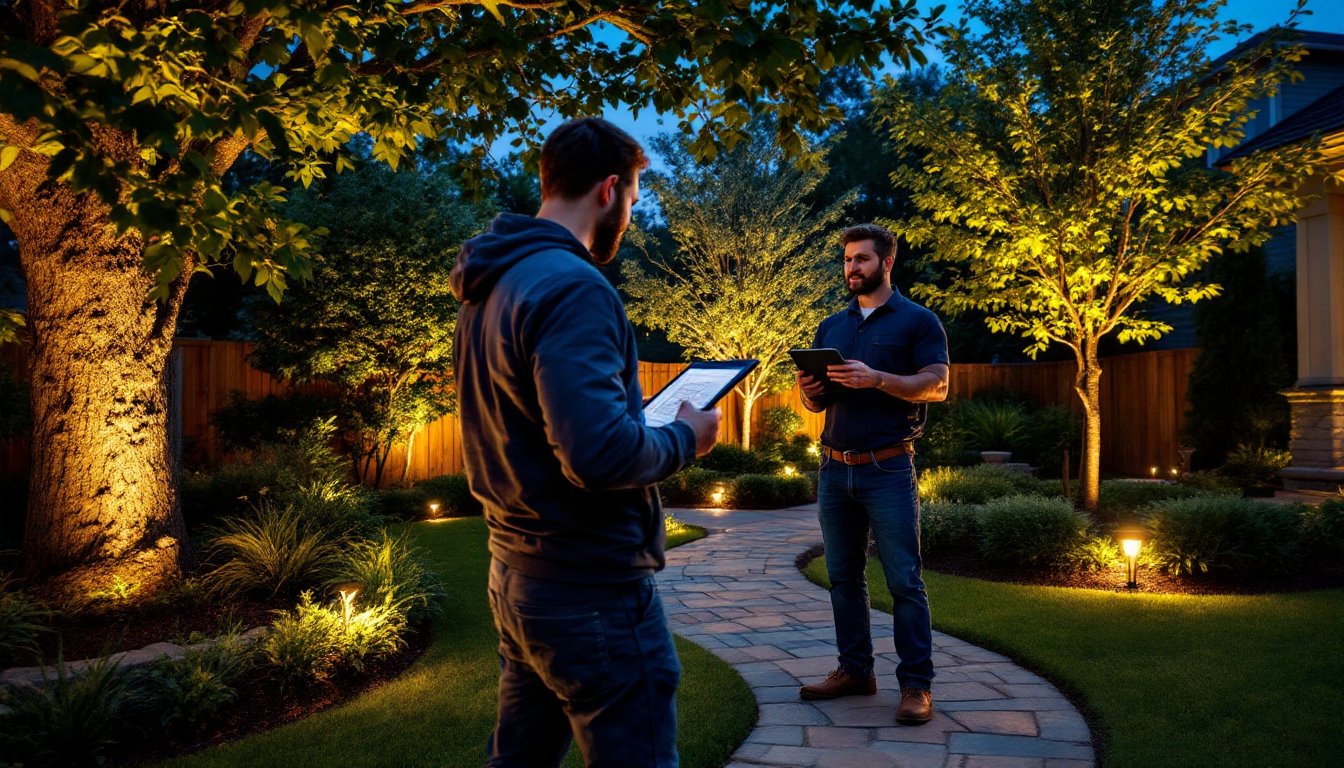

Finding the right outdoor lighting designer can transform your backyard from a dark, unused space into an inviting outdoor room, and doing it right makes all the difference. Whether you’re lighting a pathway for safety, highlighting landscaping features, or creating ambiance for entertaining, professional outdoor lighting designers bring expertise in layering light, choosing efficient fixtures, and navigating local electrical codes that DIYers often overlook. Unlike slapping up a few solar stakes or string lights, a well-designed outdoor lighting plan balances aesthetics, functionality, energy efficiency, and code compliance. This guide walks you through finding qualified outdoor lighting designers near you, what to expect from the process, and the questions you should ask before hiring.
Key Takeaways
- Professional outdoor lighting designers near you understand layering light, electrical codes, and energy efficiency in ways DIYers often overlook, preventing costly safety issues and design disappointments.
- Search for qualified outdoor lighting designers using Google Maps, Angi, Houzz, and local referrals, prioritizing portfolios with before-and-after photos and detailed customer reviews about budget and communication.
- Verify that outdoor lighting designers hold relevant credentials, have 10+ years of residential experience, and are insured and bonded before hiring.
- Ask detailed questions about project timeline, permitting responsibilities, fixture selections, itemized cost breakdowns, and warranty coverage to avoid scope creep and surprise expenses.
- Request at least three recent client references and follow up directly—asking whether they’d hire the designer again reveals red flags about responsiveness and budget accuracy.
- A skilled outdoor lighting designer becomes a partner in transforming your space, making the upfront vetting effort worthwhile for a safe, beautiful outdoor room that increases property value and usability.
Why Professional Outdoor Lighting Design Matters
Outdoor lighting isn’t just about visibility after dark. A professional designer understands how to layer light, combining ambient, task, and accent lighting to create depth and atmosphere while avoiding harsh glare or dark dead zones. They know that cheap string lights and standard fixtures often disappoint because they don’t account for your property’s layout, sight lines, or the way light bounces off hardscapes and foliage.
Professionals also handle electrical code compliance. Most outdoor lighting requires GFCI (Ground Fault Circuit Interrupter) protection, proper wire gauging, burial depth for underground runs, and adherence to local electrical codes, details that separate a safe installation from a fire hazard. If you’re planning to rewire a landscape or add a new circuit, you’ll likely need a licensed electrician and a permit from your local authority.
Beyond safety, good design saves money over time. A designer will spec energy-efficient LED fixtures, smart controls for dusk-to-dawn automation, and layouts that minimize waste while maximizing impact. They also think about long-term maintenance, choosing fixtures that won’t rust, wiring that’s accessible, and designs that adapt as your landscaping grows.
How to Search for Outdoor Lighting Designers in Your Area
Online Directories and Local Business Listings
Start by searching “outdoor lighting designers near me” on Google Maps and business directories. Platforms like Angi offer contractor profiles with customer reviews, project photos, and licensing verification, critical filters when vetting professionals. Check their ratings, read recent reviews (especially ones that mention timeline, communication, and final cost), and look for portfolios showing work similar to what you want.
Specialized landscape and outdoor living directories also exist. Houzz for Pros and Homeowners lets you filter by service type, view before-and-after photos, and even request quotes directly. Many lighting designers list on both general and specialty sites, so cross-check their presence and consistency of information.
Don’t overlook your local Chamber of Commerce, neighborhood Facebook groups, or Nextdoor, homeowners often recommend the professionals they’ve actually used and can give you honest feedback about responsiveness and budget accuracy.
Getting Referrals and Reading Reviews
Ask neighbors, your landscape contractor, or architect if they know reputable outdoor lighting designers. Word-of-mouth referrals are worth their weight in gold because they come with accountability and real-world context.
When reading online reviews, look beyond the star rating. Detailed reviews that mention specific aspects, like whether the designer stuck to budget, communicated clearly during installation, or solved unexpected challenges, tell you more than a single-sentence “great job.” Pay attention to red flags: designers who have consistent complaints about poor communication, surprise costs, or unfinished work deserve extra scrutiny.
Request portfolios or case studies from anyone you seriously consider. A professional should be proud to show you completed projects, ideally including daytime and nighttime photos, and should be willing to discuss their process.
What to Look for in an Outdoor Lighting Designer
A qualified outdoor lighting designer should hold a relevant credential or license. Look for landscape lighting specialists, certified outdoor lighting designers, or licensed landscape architects with a focus on outdoor lighting. In some states, complex electrical work requires a licensed electrician involvement: verify your local code. A designer who casually dismisses permitting or code compliance is a red flag.
Experience matters too. How long have they been designing outdoor lighting? Do they specialize in residential work, or are they primarily commercial? Someone with 10+ years of residential outdoor lighting experience will troubleshoot problems faster and design with fewer blind spots. Ask if they’re familiar with your specific challenges, whether that’s a heavily shaded yard, mature trees, hard-to-reach corners, or a sloped property.
Budget and communication style are crucial. Professional designers should provide a detailed scope of work and timeline upfront, not vague estimates. They should explain why they’re recommending certain fixtures or layouts rather than just pushing the most expensive option. Look for someone who asks good questions about your lifestyle, how you use the outdoor space, and what problems you’re trying to solve, not someone who gives you a generic lighting plan for every client.
Check that they’re insured and bonded. General liability and workers’ compensation insurance protect you if something goes wrong during installation. Don’t hesitate to ask for proof.
Questions to Ask Before Hiring
Before signing a contract, ask these questions:
Project process and timeline: How do they approach design? Will they visit your property at different times of day? Do they sketch a plan or use design software you can review before construction? How long does design typically take, and how long will installation take?
Electrical and permitting: Will they pull permits and arrange inspections, or is that your responsibility? Which of you manages coordination with the local building department? Do they work with a licensed electrician if wiring is involved, or do they handle it themselves (and if so, are they licensed)?
Fixture and material choices: What brands and fixture types do they typically use? Why? Are you locked into their selections, or can you swap in alternatives? Do they provide a detailed materials list, or do you find out what was installed after the fact?
Cost breakdown: Request an itemized estimate, labor, materials, permits, and any contingency. Ask what happens if the scope changes (e.g., underground wiring runs longer than expected). Is travel included? Do they charge for the design consultation, or is it rolled into the project cost?
Warranty and maintenance: What warranty do fixtures come with, and what does the designer warrant on their installation work? If something fails in six months, who fixes it? Do they offer ongoing maintenance like seasonal adjustments or fixture cleaning?
References: Ask for at least three recent client references and follow up. Ask those clients if they’d hire the designer again and if anything surprised them (good or bad).
Taking time upfront to vet candidates and ask detailed questions prevents costly surprises later. A professional designer will answer these questions thoroughly and won’t get defensive about being asked.
Conclusion
Finding a skilled outdoor lighting designer nearby starts with research: online listings, local referrals, and portfolio reviews narrow your options. Prioritize candidates with relevant credentials, proven experience with residential work, and clear communication about cost and timeline. Ask detailed questions about permitting, electrical work, and warranties before committing. A good designer becomes a partner in transforming your outdoor space safely and beautifully, worth the effort to find the right one.