

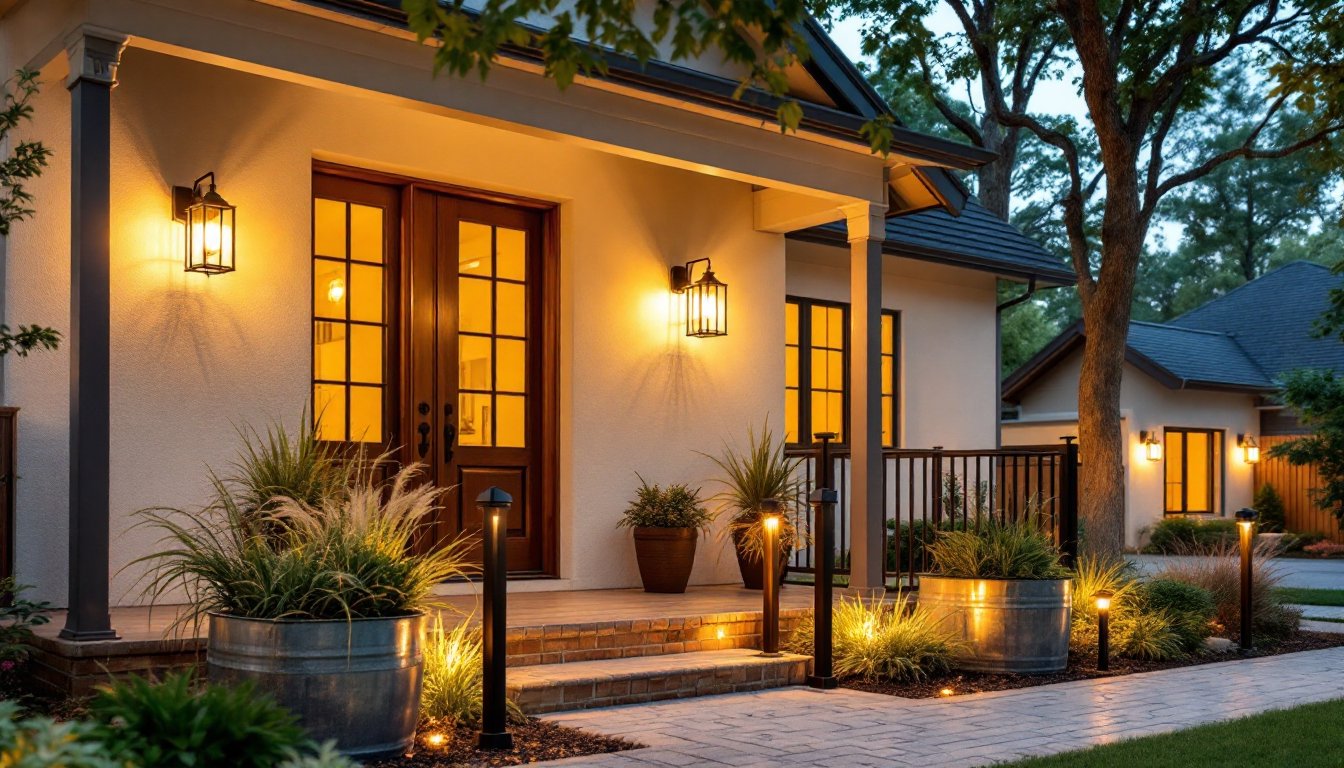

Modern farmhouse outdoor lighting blends rustic charm with contemporary practicality, creating outdoor spaces that feel both inviting and intentional. This design aesthetic has gained momentum among homeowners seeking to balance nostalgia with modern functionality, think clean lines paired with vintage-inspired finishes, warm color temperatures that feel lived-in, and fixtures that serve dual purposes as both task and ambient lighting. Whether you’re renovating a porch, upgrading landscape lighting, or creating an outdoor entertainment zone, understanding modern farmhouse principles helps you choose fixtures that enhance safety and aesthetics without veering into overly trendy territory.
Key Takeaways
- Modern farmhouse outdoor lighting combines rustic charm with contemporary function, using warm color temperatures between 2700K–3000K and honest materials like black, bronze, and galvanized steel for fixtures that feel intentional and inviting.
- Wall sconces mounted 60–72 inches above ground and post lights with 8–12 watt LEDs are essential modern farmhouse fixtures that require IP54 wet-location ratings and proper anchoring to solid framing or wood posts.
- Layer your outdoor lighting with three tiers—ambient (general glow), task (focused work areas), and accent (architectural highlights)—and space wall sconces every 6–8 feet to avoid dark gaps and visual awkwardness.
- All exterior electrical work must include GFCI protection per the National Electrical Code, with underground conduit buried at least 12 inches deep and mounted to solid wood or masonry using rated bolts or anchors rather than drywall fasteners.
- A site survey at dusk helps identify dark zones and focal points before installation, ensuring fixtures are positioned to enhance safety and aesthetics without relying on trendy or ornate designs that feel inauthentic to the space.
What Defines Modern Farmhouse Outdoor Lighting
Modern farmhouse outdoor lighting ditches the ornate Victorian fussiness and the sterile minimalism of some contemporary styles. Instead, it lands in that sweet spot: fixtures with honest materials, understated geometry, and a palette that favors black, bronze, warm brass, or galvanized steel.
The hallmark elements include matte or brushed finishes rather than shiny chrome, exposed bulbs or Edison-style elements that hint at industrial roots, and proportions that feel substantial without being heavy. A typical fixture might feature a wrought-iron frame with clear glass or frosted panels, or a recessed barn-style design in natural metal tones. The warm color temperature, ideally 2700K to 3000K (measured in Kelvin, the standard for light warmth), creates that golden, approachable glow rather than the harsh sterility of cooler 5000K+ options.
What matters most is restraint and authenticity. This style avoids neon, ornate scrollwork, and anything that screams “look at me.” The lighting should feel like it belongs in your space, as if it’s always been there.
Essential Fixtures for Your Outdoor Space
Wall Sconces and Pendant Lights
Wall sconces are the workhorse of modern farmhouse outdoor lighting. Mounted at 60 to 72 inches above ground (or 8 to 10 inches above doors or windows), they frame entryways and patios with purposeful light. Look for designs with clear or frosted glass shades, simple iron frameworks, and integrated LED capabilities. A 15- to 25-watt equivalent LED (roughly 100–200 lumens) typically handles illumination for 4–6 feet of wall space, though that depends on how dark your yard is and whether you need task lighting or ambiance.
When selecting sconces, ensure they’re rated for outdoor use (IP54 minimum rating for wet locations, meaning splash-resistant) and carry UL or ETL certification. Verify the mounting footprint against your wall studs: sconces should anchor to solid framing, not drywall alone, especially in coastal areas where salt air can stress fasteners over time. Pendant lights hung from soffits or pergolas add vertical interest and work well in seating clusters, but they require proper junction boxes and weatherproof wiring to meet electrical code.
Post Lights and Bollards
Post lights sit atop deck railings, gate posts, or landscape posts (typically 4×4 lumber in farmhouse settings), while bollards are ground-level accent lights that guide pathways. Both rely on post-mounted junction boxes and buried conduit wiring, so you’ll need to plan installation before pouring concrete or finishing landscaping.
For a 4×4 post, choose a light that clamps or bolts securely, check the manufacturer specs for wind load ratings, particularly if you’re in an area prone to storms. A standard post light draws 8–12 watts and throws light roughly 10–12 feet, making it ideal for marking entrances or creating visual rhythm along driveways. Bollards, typically 12–18 inches tall, work best in groups of 3–5 along pathways and deliver softer ambient lighting rather than task lighting. Ensure bollards are positioned at least 3 feet from planting beds to prevent moisture from pooling around the base, which accelerates corrosion and shortens the fixture’s lifespan.
Design Principles for Maximum Impact
Layer your lighting with intention. Aim for three tiers: ambient lighting (general glow, like post lights along walkways), task lighting (focused illumination for grilling, reading, or gatherings), and accent lighting (highlighting architectural features or specimen plants). A single fixture rarely does all three well, so plan for multiple light sources working together.
Spacing matters enormously. For wall sconces flanking an entry door, position them 3–4 feet from the door frame on either side, creating visual balance. Along a porch railing, space sconces every 6–8 feet to avoid dark gaps or overlapping pools of light. Uneven spacing reads as awkward, even if the fixtures themselves are beautiful.
Consider the surrounding materials and finishes. Modern farmhouse relies on contrast and cohesion, light fixtures should echo hardware on gates, door handles, or deck railings. If your railings are powder-coated black, opt for black fixtures: if they’re bronze, match the tone. Outdoor lighting ideas that emphasize warm, layered illumination help reinforce this visual harmony.
Don’t overlook the path of least effort. Install lights on existing structures, the house exterior, garage, or fence, before digging for buried conduit. This keeps costs down and labor manageable for DIY installation. If you need to run new circuits, that’s when you call a licensed electrician to ensure everything meets the National Electrical Code (NEC) and local building codes.
Installation and Placement Strategy
Start with a site survey at dusk or nightfall. Identify dark zones, high-traffic pathways, and focal points, an entryway, a seating area, a garden bed you want to emphasize. Walk the space and note where existing power sources live (porches, garages, outdoor outlets). Mark potential light locations with stakes or tape.
For wall-mounted sconces, locate the studs in your exterior wall using a stud finder, then position the fixture centerline on or between studs depending on the mounting bracket design. Drill pilot holes, use exterior-rated lag bolts or through-bolts (never drywall anchors for sconces), and ensure the junction box sits flush or recessed into the wall. If you’re mounting onto brick or stucco, use a masonry bit and lead anchors rated for the fixture weight. Apply a bead of silicone caulk around the junction box flange to prevent water intrusion.
For post lights, use a lag bolt kit sized to your post diameter and the fixture’s bolt pattern. Tighten firmly but not so hard that you strip the wood, aim for hand-tight plus a quarter turn. Shim the fixture if the post is slightly off-plumb. Underground wiring for bollards or post lights requires PVC conduit rated for direct burial and outdoor-rated Romex or individual THWN wires. Bury conduit at least 12 inches deep in freeze-thaw climates (check local code) to prevent frost heave from shifting conduit and damaging connections.
All exterior outlets and switch loops must be GFCI-protected per the NEC. If you’re adding new circuits, hire a licensed electrician, outdoor electrical work often requires permits and inspections, and mistakes here create fire and shock hazards. Test everything before calling the job done: turn on each fixture, check for loose connections, and verify that adjacent lights don’t create harsh shadows or glare.
Conclusion
Modern farmhouse outdoor lighting works because it respects both form and function. Choose warm, durable fixtures with clean lines, layer them thoughtfully across your space, and invest time in proper installation. The result is an outdoor environment that’s inviting, safe, and authentically yours, not borrowed from a magazine spread, but grounded in real-world use and honest design.