

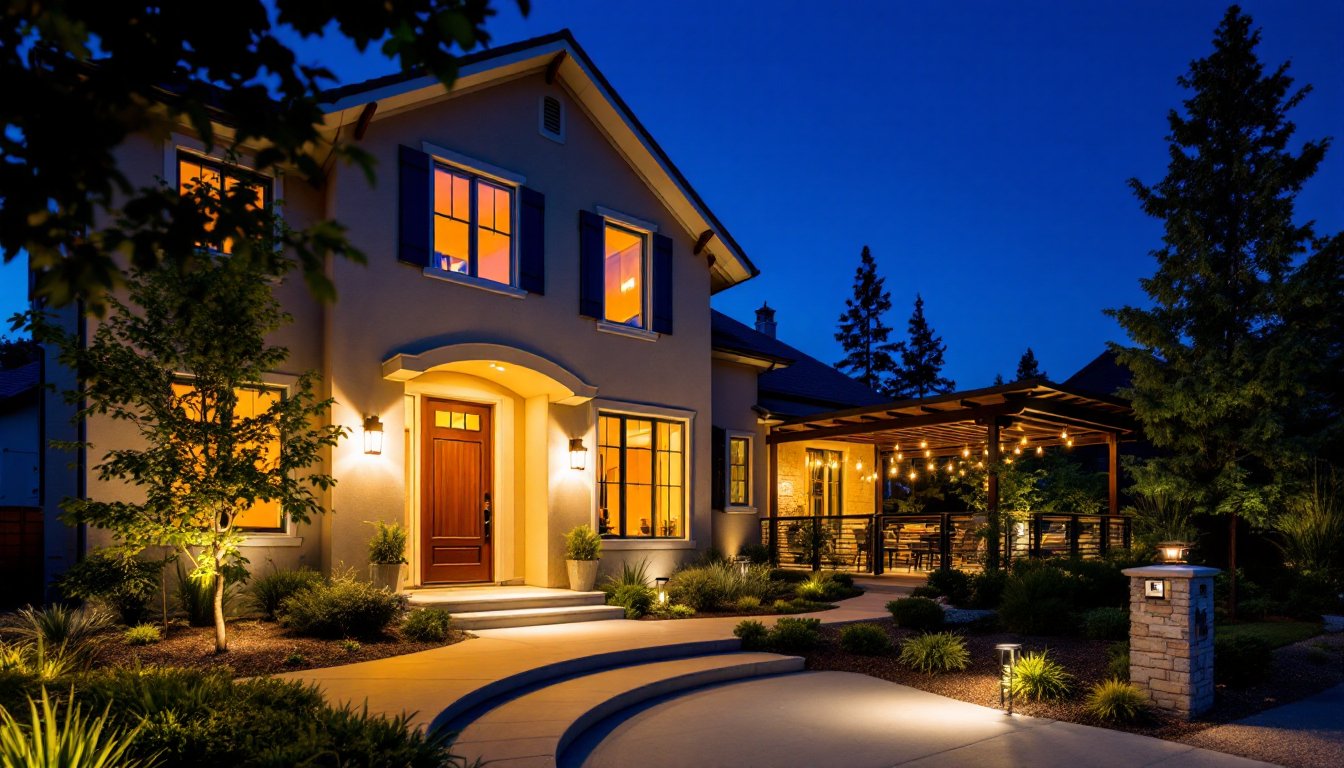

Good outdoor lighting does more than illuminate your deck or driveway, it extends your living space, improves security, and completely changes how your home feels after dark. Whether you’re looking to brighten a pathway, highlight landscaping, or add ambiance to an entertaining area, Menards outdoor lighting options offer solutions for nearly every budget and style. This guide walks you through what’s available, how to choose the right fixtures, and how to install them safely. You don’t need a contractor for most of these projects: solid planning and the right tools make a real difference.
Key Takeaways
- Menards outdoor lighting options serve three essential purposes—safety, function, and curb appeal—while improving home value and usable living space after dark.
- Pathway lights are the easiest DIY project; solar-powered stake lights require no wiring and cost $8–$20 each, though hardwired options deliver brighter, task-ready illumination at 300–500 lumens.
- Choose fixtures based on lumens (not watts) and color temperature: cool white (4000–5000K) suits security and task areas, while warm white (2700–3000K) creates entertaining ambiance.
- LED fixtures are now the standard at Menards, lasting 15,000–50,000 hours while running 80% cooler and costing significantly less per year than older halogen or incandescent options.
- Always prioritize safety with GFCI-protected outlets, proper wire burial at least 6 inches deep, stainless steel fasteners, and local permit compliance—mistakes with electrical work are dangerous.
- Smart outdoor lights with app control, motion sensors, and timers offer flexibility and energy savings, making them ideal for security, entertaining, or automating your lighting schedule remotely.
Why Outdoor Lighting Matters for Your Home
Outdoor lighting serves three practical purposes: safety, function, and curb appeal. A well-lit entryway reduces tripping hazards and deters unwanted visitors. Task lighting on a patio or deck makes the space actually usable after sunset. And the right ambient lighting transforms your home’s exterior, making it inviting and intentional.
Many DIYers underestimate how much a few well-placed fixtures cost relative to the payoff. A path light here, a deck rail fixture there, these small investments pay dividends in both comfort and home value. Menards stocks fixtures ranging from budget-friendly solar stakes to hardwired options with dimming and smart controls. The key is matching the fixture type to your actual needs rather than just filling space with lights.
Before buying anything, walk your yard at dusk and note where you’re moving (walking, sitting, working). Those spots are where light matters most.
Popular Outdoor Lighting Styles Available at Menards
Menards carries fixtures in several broad categories: wall-mounted, post-top, in-ground, pendant, and string lights. Wall sconces flanking a front door are classic and functional. Post-top lights (those mounted on a 4×4 post or lantern post) work well near driveways or property lines. In-ground spotlights and uplights are great for highlighting trees or architectural features.
Pendant lights on a covered porch create atmosphere and task lighting at the same time. String lights (Edison bulbs, bistro-style, or decorative strands) add casual charm to a deck or patio but require a sturdy structure to hang from and, usually, a nearby outlet or hardwired connection. Solar options are everywhere, no wiring needed, but they’re best for ambient or pathway use, not heavy-duty task lighting.
Finish matters too. Black, bronze, and dark gray are timeless and hide dirt. Stainless steel and polished finishes look modern but show fingerprints and weathering faster. Matte finishes are a middle ground.
Pathway and Accent Lighting Options
Pathway lights are the DIYer’s easiest win. Solar-powered stake lights require no wiring and cost $8–$20 each. Simply push them into soil or mulch along walks, driveways, or garden borders. They charge during the day and glow at night. The downside: they’re dim (50–100 lumens typically), so they’re accent and safety lighting, not functional task lights.
Halogen or LED pathway lights that are hardwired deliver more light (300–500 lumens) but demand digging trenches, running wire, and either connecting to a nearby outlet (via a weatherproof junction box and GFCI protection) or tying into your home’s electrical system. This requires comfort with basic wiring or a licensed electrician.
Accent lighting, uplighting a tree, grazing a stone wall, or spotlighting a feature, uses the same hardwired or solar LED spotlights as pathway lights but positioned differently. Aim them low and at an angle for drama without glare.
Choosing the Right Fixtures for Your Space
Start with lumens, not watts. Older incandescent wattage (60W, 100W) is meaningless for LED. An LED bulb might draw only 8–10 watts while producing 800 lumens. For reference: pathway lights run 50–150 lumens: deck/patio task lighting needs 300–500 lumens: front entry lights should hit 200–400 lumens.
Consider color temperature. Cool white (4000–5000K) is bright and energizing, good for security and task areas. Warm white (2700–3000K) is relaxing, suited for entertaining and ambiance. Many mid-range fixtures at Menards offer both options: buy whatever bulb color matches your preference, not the fixture color.
Material durability varies. Aluminum and stainless steel resist rust. Plastic or resin fixtures are budget-friendly but degrade in UV and temperature swings. Glass and acrylic lenses can become cloudy. Check product reviews and warranty length, a 5-year warranty often signals confidence in durability.
Mounting location and power source drive everything else. A solar light needs 6+ hours of unobstructed sunlight daily to work well. Hardwired fixtures need a nearby outlet (with GFCI protection for wet areas, per NEC code) or a run to your breaker panel. Battery-powered wireless lights split the difference but need regular battery swaps. For a patio or deck, a dedicated 20-amp circuit with weatherproof outlets is ideal: this may require a permit and a licensed electrician depending on your jurisdiction.
Installation Tips for DIY Success
Prep work makes or breaks an outdoor lighting project. Clean and sand mounting surfaces: loose paint or oxidized metal won’t hold hardware well. If mounting to wood (fascia, trim, posts), use stainless steel or galvanized fasteners, regular screws rust in weeks. If drilling into brick or stone, use a carbide masonry bit and a hammer drill (or have a contractor handle it).
For hardwired installations, run all wire during daylight and in good weather. Use outdoor-rated wire rated UV and moisture-resistant (typically 12 or 14 gauge for low-voltage systems, or follow the fixture manufacturer’s spec). Bury low-voltage landscape wire at least 6 inches deep or lay it under mulch: direct burial is fine, but above-ground wire is subject to lawn mowers and foot traffic.
Always work with power off. Even a low-voltage transformer draws from your home’s electrical system. If tying into an outlet, ensure it’s GFCI-protected. If running new circuits, get a permit and have a licensed electrician do the final breaker and panel connection, codes vary by jurisdiction, and mistakes are dangerous.
Use silicone caulk (not water-based) around any outdoor junction boxes or wire entries to keep water out. Test everything before closing walls or burying wire. Use a multimeter ($15–$30) to check voltage and continuity: it’s cheap insurance.
For solar lights, position them where they’ll receive morning or midday sun, away from tree shade. If you’re mounting a post light on a new 4×4 post, ensure it’s set in concrete at least 30 inches deep and tamped solid, wind loads are real, and a toppling light post is both unsafe and embarrassing.
Energy-Efficient and Smart Lighting Solutions
LED fixtures from Menards are now standard, not premium. They run 80% cooler than halogen or incandescent, last 15,000–50,000 hours (versus 1,000–5,000), and cost less per year in electricity. The upfront cost is higher, but the payback is fast.
Smart outdoor lights, Wi-Fi or Bluetooth-enabled, often with app control, are increasingly affordable. You can dim them, change color temperature, or schedule them on a timer from your phone. Some integrate with voice assistants (Alexa, Google Home). They’re especially useful for entertaining or security, imagine turning on your porch lights remotely before you arrive home.
Motion-sensor fixtures are practical for entryways, driveways, and backyards. They save energy by running only when movement is detected. Menards stocks dumb motion sensors (mechanical, no wiring other than power) and smart models that let you set sensitivity and duration.
Solar motion lights require no wiring and cost $20–$60. They’re fine for accent or pathway security but underpowered for heavy use. A hardwired motion fixture with a 500–700 lumen LED can light an entire driveway. Your choice depends on how much time you spend outdoors, your landscape size, and your budget.
Dimmers and timers add flexibility and reduce energy use. A simple plug-in timer costs $10 and works with any hardwired outlet light. Smart WiFi switches let you dim and schedule from anywhere. Solicit cost estimates from contractors on HomeAdvisor if you’re unsure about hardwiring complexity or local permit requirements.
Conclusion
Outdoor lighting transforms how you use your yard and how your home looks after dark. Menards offers the fixtures, bulbs, and accessories to tackle projects of any scale. Start small, a few solar path lights or a wall sconce, to build confidence, then expand to larger hardwired systems as needed. Prioritize safety (GFCI protection, sturdy mounting, proper wire burial) over aesthetics, and your lights will last years and work reliably. Your yard deserves light as much as your living room does.