

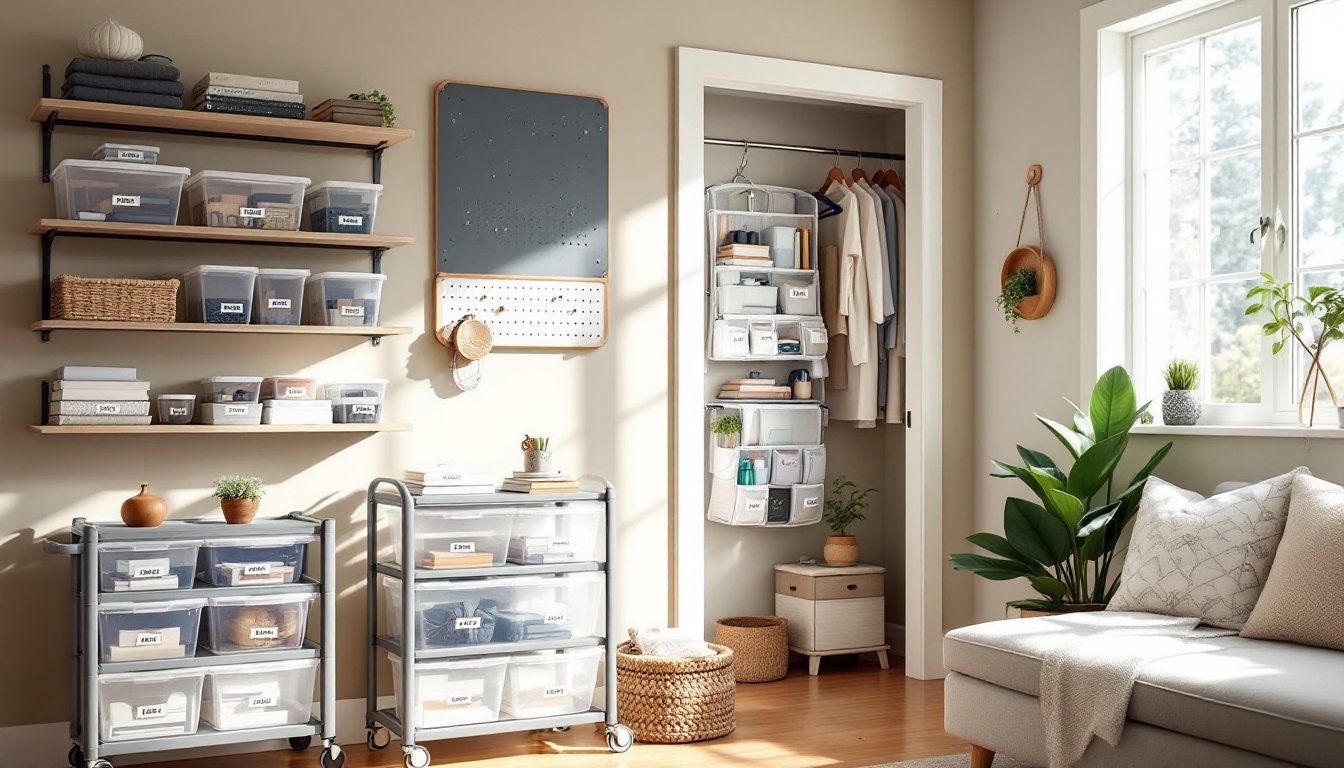

Whether you’re downsizing, renovating, or just dealing with temporary clutter from a move, short term storage solutions can make the difference between chaos and calm. Unlike permanent built-ins, these options are flexible, affordable, and won’t require a contractor or a permit. The right temporary storage approach maximizes the space you have without committing you long-term, and it’s refreshing to realize you don’t need to overhaul your entire home to get organized. In this guide, we’ll walk through seven practical strategies to reclaim your space fast, from vertical wall solutions to portable units that adapt as your needs change.
Key Takeaways
- Short term storage solutions offer flexible, affordable alternatives to permanent built-ins, making it easy to organize without contractor involvement or long-term commitment.
- Vertical wall-mounted storage and pegboard systems maximize unused space in small rooms, garages, and closets without requiring floor area.
- Over-the-door organizers, floating shelves, and renter-friendly adhesive strips provide practical options that can be installed, adjusted, or removed without damaging walls.
- Portable storage pods and modular cube systems adapt as your needs change, making them ideal for moves, renovations, or temporary organizing projects.
- Decluttering before purchasing storage is essential—avoid storing items unused for two years, and invest in quality, durable containers that outlast cheaper alternatives.
- Match your short term storage approach to your timeline, load weight, and space constraints, then prioritize sturdy solutions for long-term needs and flexible options for temporary ones.
Understanding Short Term Storage Needs
Short term storage fills a specific gap in home organization. You might need extra space while staging a house for sale, during a renovation, between moves, or simply while you decide what to keep long-term. The key difference from permanent solutions is flexibility and reversibility, you can install, adjust, or remove these systems without leaving holes in walls or affecting your home’s structure.
Start by identifying what you’re storing and how often you access it. Seasonal items (holiday decorations, winter coats) don’t need daily access, so they can go higher or deeper. Things you grab weekly (kids’ sports gear, craft supplies) need to be visible and reachable at arm height. Heavy items like tools or books demand sturdy shelving and secure anchoring to studs, not drywall alone. Understand your timeline too: a six-month rental calls for different solutions than a year-long renovation.
The space you have also shapes your choices. A small bedroom closet, a garage corner, or a laundry room alcove each have unique constraints. Measure the dimensions first, note ceiling height, check for obstacles like outlets or pipes, and think about climate control if you’re storing sensitive items like photographs or electronics.
Over-The-Door and Wall-Mounted Storage Options
Over-the-door organizers are often overlooked workhorse solutions. A fabric shoe organizer with clear pockets transforms a closet door into tiered storage for small items, spare keys, medications, office supplies, or craft materials. Install it by hanging hooks on the top of the door: no fasteners needed on the door itself.
Wall-mounted options demand more planning but reward you with dramatic space gains. Floating shelves anchored to studs are the safest bet for heavier items: use 1.5-inch toggle bolts if you must hit drywall between studs, though they won’t hold more than a few books. For lightweight décor or baskets, adhesive wall strips work and leave no holes, but test them on scrap drywall first if you’re renting.
Pegboard systems are surprisingly versatile. A standard 4-by-8-foot sheet costs $15–$30, mounts to studs with screws, and lets you customize hook and basket placement as needs shift. Paint it to match your space. It works beautifully in garages, laundry rooms, and home offices.
Maximizing Vertical Space
Vertical storage is where renters and homeowners with small spaces win. Wall-mounted wire shelving units clip together without tools and anchor to studs with L-brackets: they look industrial but hold surprisingly much. Stack them floor-to-ceiling to use the full height of a room, just keep heavier items at eye level for safety and accessibility.
Corner shelves exploit wasted triangle zones in rooms. A wall-mounted corner unit mounts with just two screws into studs and costs under $30. Angled shelves above a closet rod, mounted with brackets, gain a surprising amount of capacity without taking floor space.
Portable and Modular Storage Units
Portable storage shines when you need flexibility. Rolling plastic utility carts (the kind used in kitchens and offices) cost $40–$80 and fit into tight corners or under shelves. Label each tier with painter’s tape so you remember what’s stored. The wheels lock, so items won’t shift when you open a closet.
Modular cube shelving systems (like those sold at Target or Wayfair) snap together without tools and adapt as your needs change. A 4-by-4 grid costs $80–$150 and you can add or remove cubes, add backing panels, or pull it apart and reconfigure it in a new room. They’re not as sturdy as built-in shelving for very heavy loads, but they’re excellent for books, bins, and medium-weight items.
Portable plastic storage containers remain essential. Clear 18-gallon and 27-gallon stackable bins let you see contents without opening, and they stack efficiently. Label them on two sides so you can read labels whether they’re stacked front-to-back or side-by-side. Opt for opaque bins only for items you rarely access (like holiday lights or camping gear). Many homeowners creating temporary storage during moves rely on these stackable bins because they’re cheap, durable, and survive being shoved into attic or basement corners.
For very temporary needs (a few weeks to a couple of months), consider renting a portable storage pod. Companies like PODS or U-Pack drop a container at your home, you fill it at your pace, and they haul it to a warehouse or to your new location. It costs more ($150–$300 per month regionally) but eliminates the stress of organizing everything in a single weekend.
Under-Bed and Furniture-Integrated Solutions
Under-bed storage is prime real estate most people ignore. Measure the clearance first, ideally 8 to 10 inches from floor to bed frame, then shop for shallow rolling storage containers that fit the footprint. These work best for off-season clothing, extra bedding, or items you access once or twice a year.
Ottoman benches with hidden interiors serve dual duty: seating and storage. A fabric ottoman (roughly $80–$200) sits at the foot of a bed or in a living room corner, holds blankets or magazines, and doesn’t scream “storage.” They work well in bedrooms and small living rooms where floor space is tight.
Furniture-integrated solutions are where rental-friendly storage gets clever. A tall dresser becomes tool storage in a garage if you remove a drawer and anchor the unit to wall studs (critical for tip-over safety with kids or pets). A bookshelf doubles as a room divider and creates an alcove of private, organized storage on one side.
Built-in closet organizers don’t require permanence. Tension rods, wire shelves that rest on supports without fastening, and adhesive hooks transform a closet in an afternoon. If you need smart storage and organization tips, temporary closet systems can rival custom built-ins at a fraction of the cost and with zero commitment.
Choosing the Right Storage for Your Home
Evaluate your situation honestly. Are you storing for three months or two years? Anchor into studs for heavy, long-term items. Use adhesive or renter-friendly options for short-term, lightweight needs. Climate matters too: garages and basements fluctuate in temperature and humidity, so avoid storing electronics, photographs, or upholstered furniture there unless they’re in sealed containers with desiccant.
Budget shapes choices as well. A modest wall system (shelving, bins, and organizers) runs $150–$400 total. A full modular unit system may cost $300–$800. A portable storage pod runs $150–$300 monthly. Free or nearly-free options, stacking boxes, repurposed crates, or borrowed shelving, work if your timeline is short and loads are light.
Before buying anything, declutter. Use the simple test: if you haven’t touched it in two years and it doesn’t have sentimental or functional value, donate or sell it. This step alone often eliminates the need for extra storage. When you do buy bins or shelves, buy once. Cheap, flimsy units fail mid-project and waste money. A solid plastic storage container or metal shelf unit costs a bit more upfront but outlasts three cheap alternatives. For small-space dwellers seeking apartment-friendly organization and design ideas, investing in quality, adaptable storage pays off over time.
Conclusion
Short term storage doesn’t have to be an eyesore or a commitment. Whether you opt for vertical wall solutions, portable units, or furniture-integrated systems, the key is matching the solution to your timeline, load, and space. Start by measuring and decluttering, then pick solutions that are sturdy enough for your items but flexible enough to adapt or relocate when life changes. Done right, these systems buy you the breathing room to think clearly about what you really want to keep, and that clarity, not the storage itself, is what transforms a chaotic space into one you actually enjoy.