

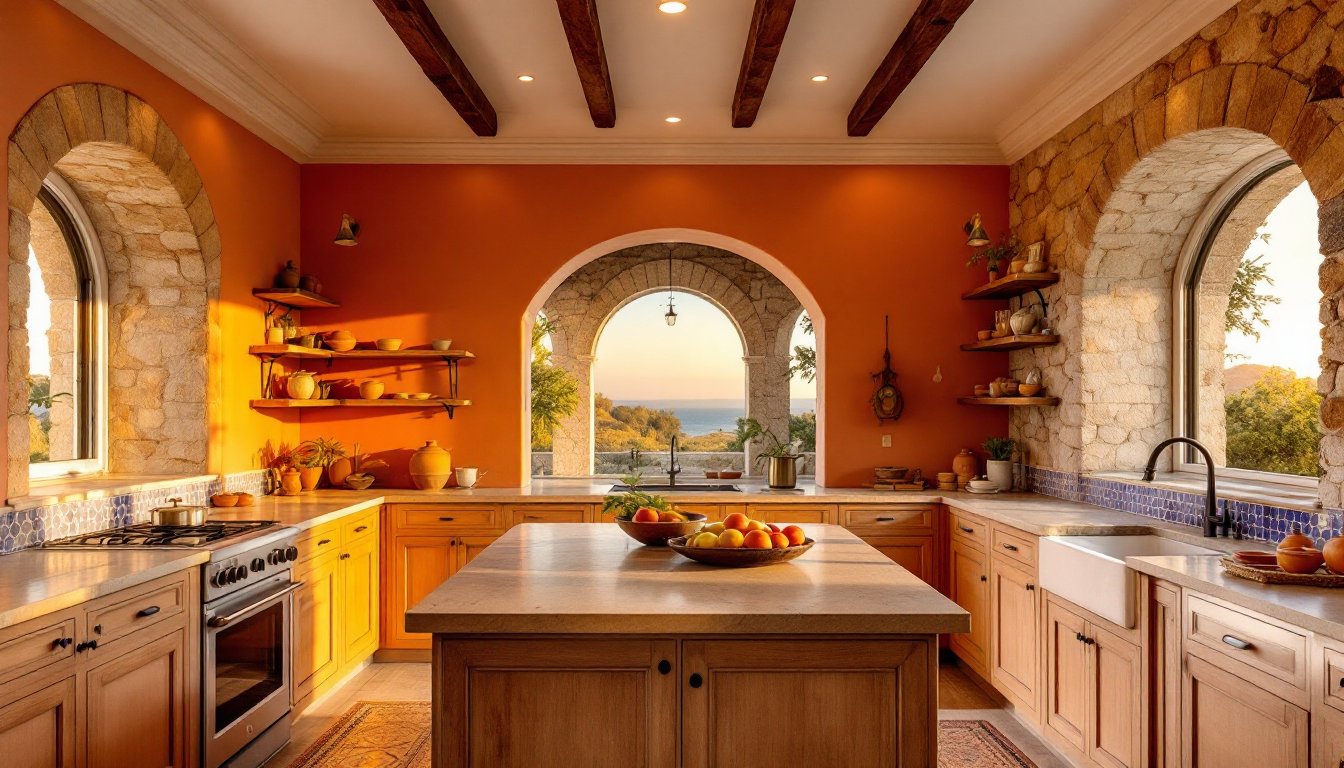

Mediterranean kitchens thrive on warmth, depth, and character, and lighting is what brings that vision to life. Tiered linear Mediterranean kitchen lighting creates layers that mimic natural sunlight and shadow play, transforming a standard kitchen into a space with genuine soul. Unlike a single overhead fixture or scattered pendants, a tiered approach uses three distinct lighting levels to serve different moods and tasks. Whether you’re renovating a coastal cottage kitchen or bringing that sun-drenched aesthetic into a city apartment, understanding how to layer ambient, task, and accent lighting with linear fixtures sets the stage for both beauty and function.
Key Takeaways
- Tiered linear Mediterranean kitchen lighting uses three distinct layers—ambient, task, and accent—to create depth, warmth, and functionality that single overhead fixtures cannot achieve.
- Linear fixtures mounted in coves and under cabinets with warm 3000K color temperature mimic natural sunlight and prevent the flat, clinical look of traditional overhead lighting.
- Task lighting with linear fixtures installed 12–15 inches above counters at 4000K–5000K color temperature eliminates shadows and glare while helping you see true food colors and details.
- Mediterranean kitchen design demands warm color temperature consistency across all tiered linear lighting zones (2700K–3000K) to create visual unity rather than a fragmented appearance.
- Plan tiered linear Mediterranean kitchen lighting early during renovation phases, requiring 2–3 separate circuits and hardwired installation by a licensed electrician for safety, code compliance, and moisture resistance.
- Accent lighting with linear fixtures at 30–50 foot-candles highlights architectural details like stone backsplashes, open shelving, and exposed beams to showcase your kitchen’s Mediterranean character and depth.
Understanding Tiered Lighting in Mediterranean Design
The Three-Layer Foundation
Tiered lighting in Mediterranean kitchens follows a deliberate hierarchy: ambient (the baseline), task (the workhorse), and accent (the personality). This structure creates depth and prevents the flat, clinical feel of relying on one overhead source.
Ambient lighting is your baseline, it fills the room with general illumination and sets the mood. Task lighting concentrates brightness where you actually work, like over counters and the stove. Accent lighting highlights architectural details, art, or design elements that give your kitchen its Mediterranean character.
Linear fixtures, long, sleek bars or channels of LED or traditional bulbs, fit this layering beautifully. They’re compact, directional, and scalable, so you can run them along soffits, under cabinets, over islands, or along walls without visual clutter. The result feels intentional rather than hodgepodge.
Ambient Lighting: Creating Your Warm Foundation
Your ambient layer should feel like diffused sunlight, warm, even, and never harsh. In Mediterranean kitchens, recessed lights with warm 3000K color temperature (roughly the hue of incandescent bulbs) paired with a linear cove fixture work beautifully. A linear fixture mounted in a crown molding recess or cove above cabinets washes the ceiling with soft light, creating volume and warmth.
If your kitchen has vaulted or coffered ceilings, linear cove lighting emphasizes those architectural features and adds genuine elegance. Aim for 10–15 foot-candles of general illumination: this is bright enough to navigate safely but warm enough to feel inviting, not institutional.
When choosing linear fixtures for ambient duty, dimmable LED strips are the modern standard. They consume 75% less energy than incandescent equivalents, produce minimal heat, and can shift from evening relaxation (30% brightness, 2700K) to morning activity (100% brightness, 3000K). Install them on a wall dimmer switch, not a plug dimmer, for consistent, flicker-free control. Most linear LED systems come with standard 120V drivers that integrate with existing wiring, though some retrofit installations use battery-powered strips (acceptable for accent only, not ambient).
Task Lighting: Functional Linear Solutions
Task lighting is where linear fixtures earn their keep. Under-cabinet linear lights are the workhorse here, they illuminate countertops for prep, cooking, and cleaning without creating shadows or glare on the work surface. Install them 12–15 inches above the counter surface and as far forward on the cabinet bottom as possible. This angle delivers light directly onto your work zone without bouncing off the backsplash or spilling into your eyes.
Over an island or peninsulas, linear pendant tracks or mounted bars suspend light closer to where you actually work. A 36-inch linear fixture over a standard 36-inch island provides even coverage: for longer islands, use two fixtures or one larger system. Task lighting should run at 4000K–5000K color temperature, brighter and slightly cooler than ambient, to keep you alert and help you see true food colors and details.
Use non-dimmed or dimmed-to-minimum-50% linear fixtures for task zones. Aggressive dimming of task lights can create color-rendering issues and reduce visibility. If you must pair task and ambient on one circuit, use a separate linear fixture for task work that stays constant, and let the cove or accent layer handle the mood dimming.
Linear fixtures with aluminum extrusions and frosted diffusers reduce glare and distribute light evenly. Bare linear LED strips produce harsh hot spots: always use a proper channel and diffuser rated for kitchen use.
Accent Lighting: Highlighting Mediterranean Character
Accent lighting is your chance to showcase what makes your kitchen Mediterranean. A linear fixture highlighting open shelving, a terracotta collection, or a feature wall of blue tile transforms those elements from background into focal points. Use 2700K warm white for a romantic, sunset feel, or 3000K if you want it to blend with ambient light.
Linear accent fixtures typically output 2–5 times the light of ambient layers, so they create visual emphasis without blinding. Aim for 30–50 foot-candles on the object or area you’re highlighting. Recessed linear channels hidden above floating shelves or along the inside edges of open shelving keep the fixture invisible and the light pristine.
Arched doorways, exposed beams, and stone backsplashes all benefit from well-placed accent lighting. A linear fixture running horizontally along a stone wall, mounted about 6–12 inches from the surface, creates texture and depth. If you have design inspiration resources bookmarked, study how Mediterranean kitchens use shadow and highlight, accent lighting is what brings those layered, sculptural effects into your own space.
For flexibility, use battery-powered linear LED strips as temporary or repositionable accents. They don’t require an electrician, though hardwired fixtures integrated at rough-in stage feel more permanent and polished.
Design Tips for Linear Fixtures in Mediterranean Kitchens
Mediterranean style celebrates handmade, irregular, and organic elements, so linear fixtures can feel out of place if they’re too sleek or modern. Here’s how to make them work:
Integrate fixtures into your architectural elements. If you’re installing a linear cove fixture, use it to frame or emphasize existing crown molding, soffit lines, or a vaulted ceiling. Fixtures that disappear into the architecture read as intentional, not afterthought. Install your linear channels during drywall work, rough-in the wiring, then finish drywall around the channel. Avoid surface-mounted clips and wires: they telegraph “added later.”
Embrace warm color temperatures consistently. Mismatched color temperatures (one zone at 3000K, another at 4500K) feel fragmented and cheap. Commit to 2700K–3000K across all layers for unity and warmth. If you need brighter task light, increase brightness and use a cool-white bulb in that zone only, so the shift is intentional, not accidental.
Space linear fixtures thoughtfully. A 4-inch gap between a linear fixture and a wall, cabinet edge, or architectural trim creates a subtle shadow line that’s visually interesting. A flush-mounted fixture feels safe but flat. Even 2–3 inches of offset adds depth.
Layer fixtures in unexpected ways. Beyond typical cove and under-cabinet placement, run a linear fixture horizontally inside a tall glass cabinet to backlight glass or ceramics. Mount one along the toe-kick of an island for ambient floor-level glow that softens the kitchen at night. These unconventional placements make your lighting scheme distinctive and thoroughly Mediterranean.
References like The Kitchn offer real examples of kitchen design details, including how professional designers layer lighting.
Installation Considerations and Best Practices
Installing tiered linear lighting requires planning during the kitchen design or remodel phase. Hardwired fixtures need rough-in wiring, typically 12 AWG or 14 AWG cable depending on load and circuit design, running from your breaker panel or existing light circuits to the fixture locations.
Plan your electrical layout early. Coordinate with your electrician or structural professional if you’re running conduit through joists or studs. Tiered lighting usually needs 2–3 separate circuits (one for ambient cove, one for task under-cabinet, one for accent). This keeps you from tripping a breaker if everything is on the same circuit and you dim aggressively.
Use a qualified electrician for hardwired work. Linear cove fixtures and under-cabinet task lights in kitchen environments often require junction boxes, proper strain relief, and code-compliant connections. Hire a licensed electrician familiar with kitchen and bath work. Your local building code may also require permits for any new circuits or significant rewiring.
Moisture and heat resistance matter. Kitchens create steam, grease, and temperature swings. Ensure all fixtures carry IP65 or higher moisture ratings and are rated for use above cooktops or near appliances. Aluminum extrusions resist corrosion better than bare metal. Avoid fixtures with visible rubber seals that degrade over time, sealed channels with silicone gaskets last longer.
Test and adjust before sealing walls. If you’re doing a remodel, have your electrician install fixtures and run a full dimming test cycle before drywall or trim close-up. Linear fixtures sometimes need individual drivers, transformers, or bypass capacitors to work smoothly with dimmer switches, a test run catches incompatibilities before you’re sealed in.
Connect fixtures on the same circuit if they’re meant to dim together. If your ambient cove and accent shelving lights should shift in tandem, wire them to a single dimmer. Task lighting typically stays independent so it doesn’t dim when you’re cooking. Design studios like Remodelista document kitchen renovations showing electrical and lighting rough-in photos, study them for placement ideas.